Good interfaith event photography starts before anyone lifts a camera: ask each participating community what it needs, write the answers into one photo policy, and mark clearly where cameras are welcome and where they are not. Then deliver the photos so that nobody who asked for privacy ends up in someone else's album.
This guide is for organizers of interfaith and multicultural community festivals, where Muslim, Hindu, Christian, Sikh, Jewish and Buddhist groups share one site, and for the photographers they hire. It covers the questions to ask, photo-free prayer areas, a "no photos" lanyard system, the photographer briefing, and delivery after the event.
This guide does not speak for any faith
Rules differ between communities, between venues, and between people in the same family. The examples below come from guides published by faith organizations, but they are starting points for a conversation, not a rulebook. The representatives of each group at your event have the final word.
Why one photo rule fails at a multi-faith festival
A single rule, such as "photos allowed everywhere" or "no photos at all", will fail someone. Open photography can hurt a group praying in the next tent. A total ban removes the stage performances, food stalls and shared moments that most people came to remember.
The differences also run inside each tradition. One mosque welcomes cameras outside prayer times and another does not. One Jewish family avoids cameras on the Sabbath and the next does not mind. In one household, a parent may be happy on the public stage photos while a teenager wants to appear nowhere online.
Timing matters too. Interfaith America's guide to hosting faith-friendly events warns that events on yearly holidays or weekly days of observance limit who can attend, and that Friday, Saturday and Sunday events should watch the time of day so they do not clash with a religious service. If your festival falls on one of those days, some groups will have extra rules about cameras.
If you have run an unplugged ceremony where guests put their phones away, the thinking is similar, with more groups and more spaces.
Interfaith event photography: what to ask each community about
The common considerations fall into five themes. Ask about each theme, for each group, instead of guessing an answer from the name of a faith.
Can people be photographed while they pray?
Get this one right first. The Muslim Council of Britain's Visit My Mosque visitor guide says photography is usually fine, but asks visitors to ask first, "especially during prayers or of individuals".
The Carolina Buddhist Vihara, a Buddhist temple in South Carolina, asks visitors to get permission before taking photographs and never to do so during worship.
At a festival, worship might be a prayer time in a quiet tent, a short blessing on the main stage, or a Hindu aarti, a worship ritual with lamps. Ask each group which moments are off limits, and whether the rule covers only the people praying or the whole space around them.
Which spaces and sacred objects are off limits?
Some groups bring sacred objects or set up a small shrine. Malaysia Hindu Sangam's temple etiquette guidance says photography and video are not allowed inside the temple unless specifically allowed.
The Sikh Coalition's guide to visiting a gurdwara, a Sikh house of worship, says gurdwaras do not typically prohibit photography but it is polite to ask, and to be careful with flash in the prayer hall.
So ask two questions for every shrine, altar or prayer space: may it be photographed at all, and may it be photographed with people in it?
What must photographers wear or do?
Dress rules apply to the photographer too. The same Sikh Coalition guide asks everyone to cover their head with a bandana, cloth or scarf before entering (a hat does not count), to remove their shoes before the prayer hall, and to keep the head covered in the langar hall, the free community kitchen. If a Sikh group runs langar at your festival, your photographer needs a head covering to work there.
Removing shoes, dressing modestly and staying off platforms where scripture rests are common requests across several traditions. Put them in the photographer briefing, not only in the guest information.
Are there rules about women, children or families?
Some conservative families prefer that women are photographed only by a woman photographer, only in certain areas, or not at all. Others do not want children in any photo that leaves the event. Never guess who these families are from how they dress. Ask each representative, and give every person their own way to opt out. Schools handle the same problem with students whose parents opt out of photos, and the lanyard approach below borrows from that.
Does the event fall on a Sabbath or holy day?
For many Jewish participants, Shabbat runs from sunset on Friday to nightfall on Saturday. The Rabbinical Assembly's Committee on Jewish Law and Standards, which guides the Conservative movement, ruled that photography is prohibited on Shabbat, and that this holds even when the photographer is not Jewish. Practice differs between movements and families, so ask whether the group's members want to be photographed at all before Shabbat ends.
How to run the pre-event consultation
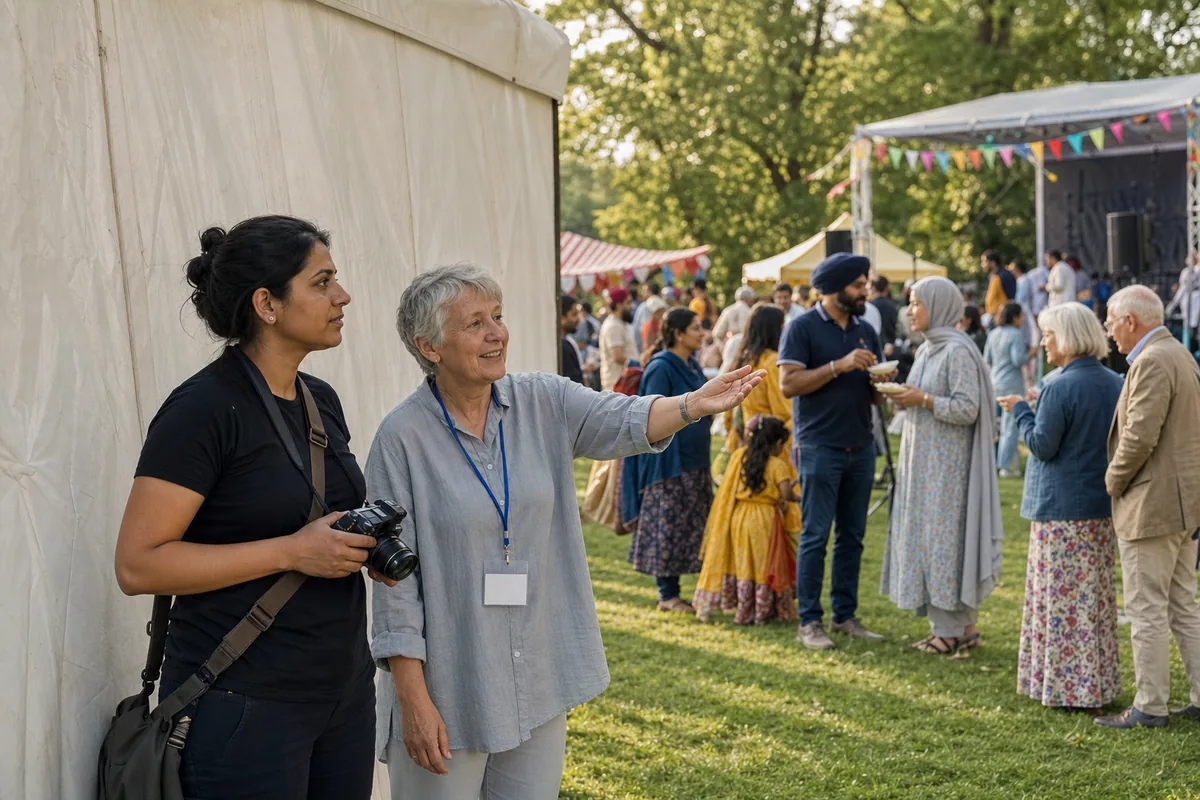
Book a short meeting or call with one named representative from each group, at least a month before the festival. Write down every answer. These are the questions that matter:
- ✓Which moments must not be photographed, such as prayer times, blessings or rituals?
- ✓Which spaces or objects must not be photographed, or only without people in them?
- ✓Does anyone need a woman photographer, or no photographer, in certain areas?
- ✓What must photographers wear or remove in your area?
- ✓Can children from your community appear in photos, and in which kind of gallery?
- ✓Should your members' photos be public, private to each person, or not taken at all?
- ✓Who should a photographer ask on the day if something is unclear?
Turn the answers into one written photo policy. Send it back to each representative and ask them to confirm it. A group that sees its own words in the policy is far more likely to trust the day.
How to set up photo-free and photo-allowed zones
Zones turn a long policy into something everyone can see. Most festivals need only three kinds of area:
- Photo-free: prayer tents, meditation spaces, shrines and any room used for worship. No cameras, including phones.
- Ask first: community stalls, langar and food areas, and exhibition tables. Photographers ask before photographing any individual.
- Photo-allowed: the main stage, performances, speeches and large crowd areas, where attendees are told that photos will be taken.
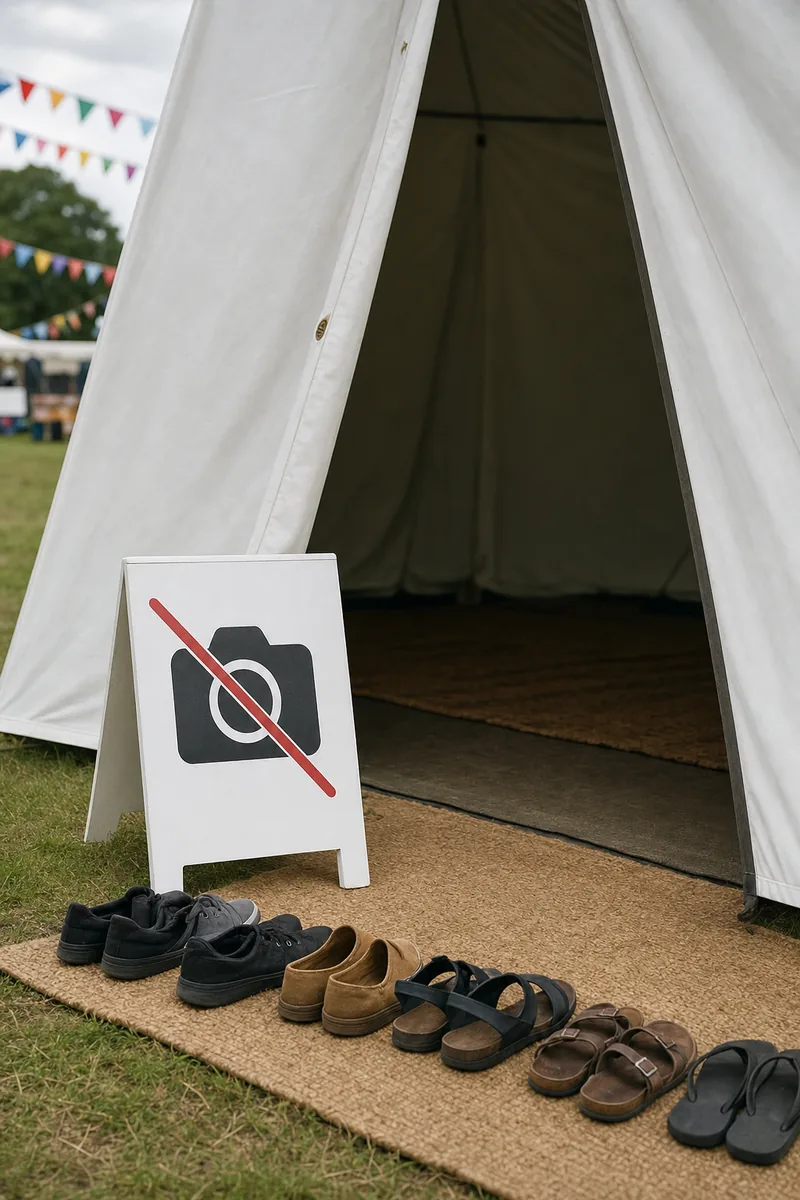
The Church of England uses the same idea for services. Its guidance on filming and photography in churches suggests a film-free area, such as a side aisle or a few rows at the back, with simple signs so people and photographers know where it is. It also notes that attending a church service reveals religious belief, which counts as special category data under the United Kingdom's data protection law. The same logic applies to any group at your festival, so treat photos from worship areas with extra care.
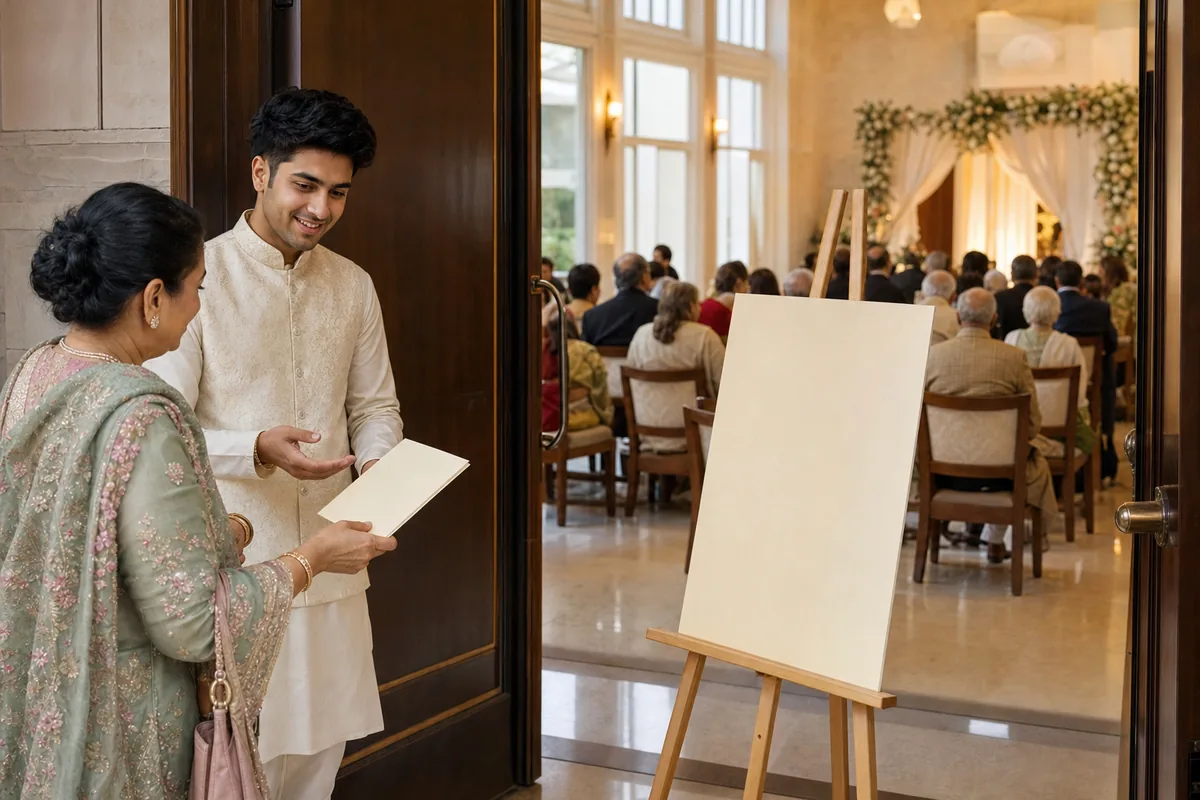
Use picture signs as well as words, because your guests will not all read the same language. Place a sign at every entrance to a photo-free area, and another inside. During prayer times, ask a volunteer from that community to stand at the door. A friendly person stops more mistakes than a sign does.
How no-photo lanyards and registration consent work
Zones handle places. Lanyards and wristbands handle people. Every attendee needs a way to say "no photos, please" that a photographer can see across a busy field.
Conferences already do this. Software developer Alex Chan documents colored lanyard schemes for photo opt-outs: PyCon UK 2017 used blue for people happy to appear and yellow for people who were not, and XOXO 2018 added red, so blue meant yes, yellow meant ask first and red meant no. The same page advises colors that stand out at a distance and work for people who are color blind.
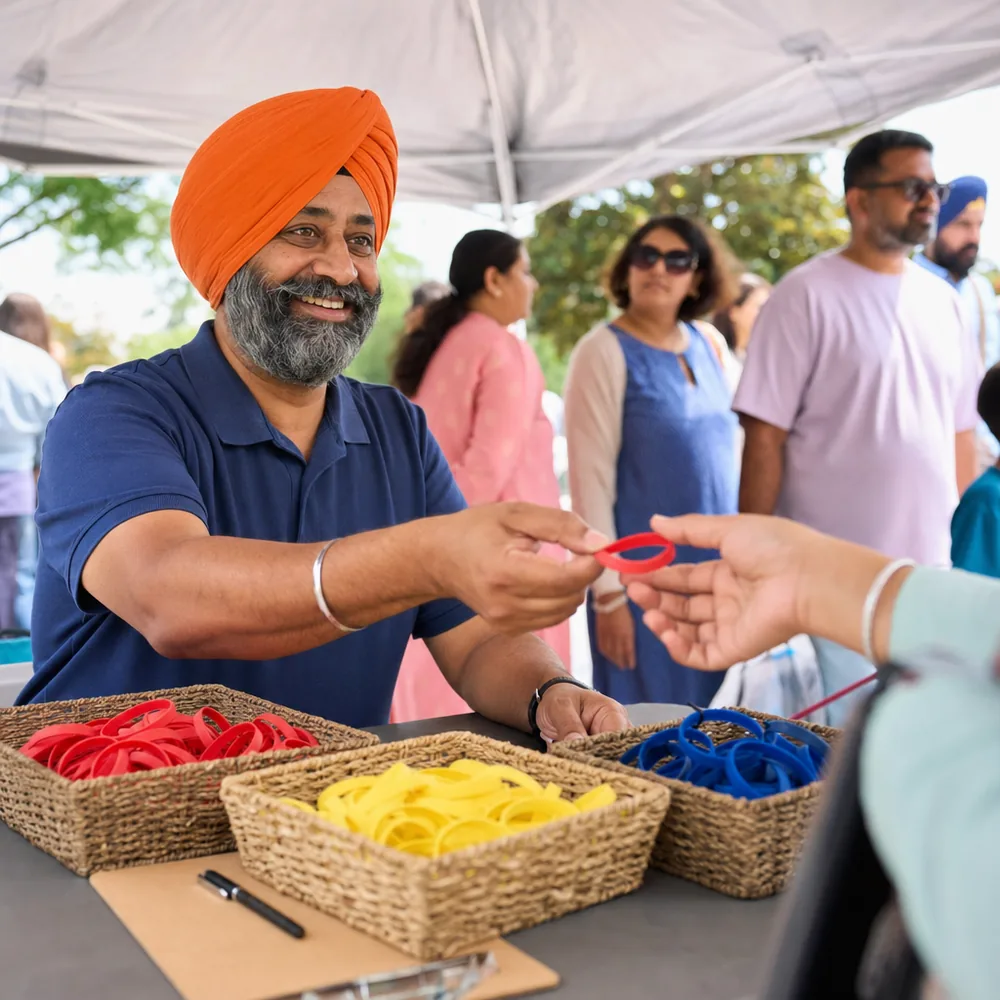
Ask for the choice at registration, not at the gate. The University of Edinburgh's photography guidance recommends a written notice that photography will take place, including on registration forms, and clear ways to opt out, such as a sticker or wristband. Your registration form should include:
- A plain sentence saying photos will be taken in photo-allowed areas, and how they will be used.
- A choice of "happy to appear", "ask me first" or "no photos".
- A choice for parents on behalf of their children.
- If you will match faces to deliver photos, a clear explanation and another way to get photos, such as an access code.
The last point matters. The UK Information Commissioner's Office (ICO) explains that photos become special category biometric data when they are used to build a template for automated image matching and identification. Rules differ by country, so check with your own legal adviser before the event. This guide is not legal advice.
What to tell your photographers before doors open
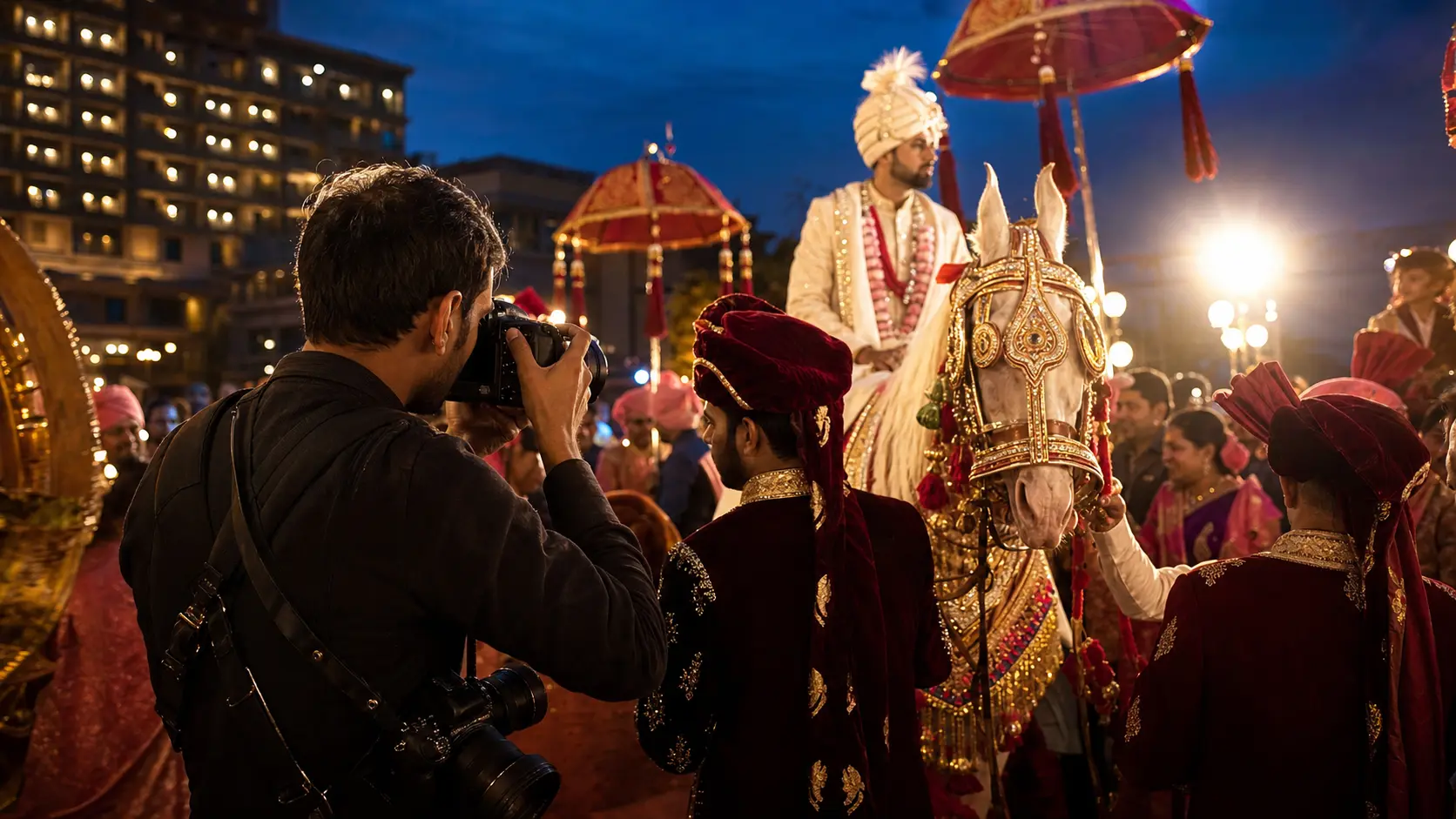
Hold a 15-minute briefing with every photographer, including volunteers and group members who bring a camera. Walk through the zone map, show the lanyard colors, and hand out the prayer schedule with exact times. Name the person to ask in each community's area.
Agree what happens after a mistake. If a photographer takes a frame in a photo-free area, or of someone wearing a "no photos" lanyard, they delete it on the spot or flag it for removal before delivery. Say this out loud, so photographers know that deleting a good frame is the expected choice and not a failure.
Ask for no flash in any tent or hall used for worship, and no climbing onto stages where sacred texts or objects rest. Faith leaders and speakers who prefer not to be photographed off stage need the same care as performers, and the backstage photography rules used for artists and VIPs work well here: agree in advance where the cameras stop.
How to deliver the photos without breaking your promises
Delivery is where careful plans often fail. The photographers follow every rule, then every photo goes into one shared folder, and a woman who asked not to appear online sits in the background of a stall photo anyone can scroll. The fix is separate galleries where rules differ, opted-out people removed before delivery, and each person receiving only their own photos.
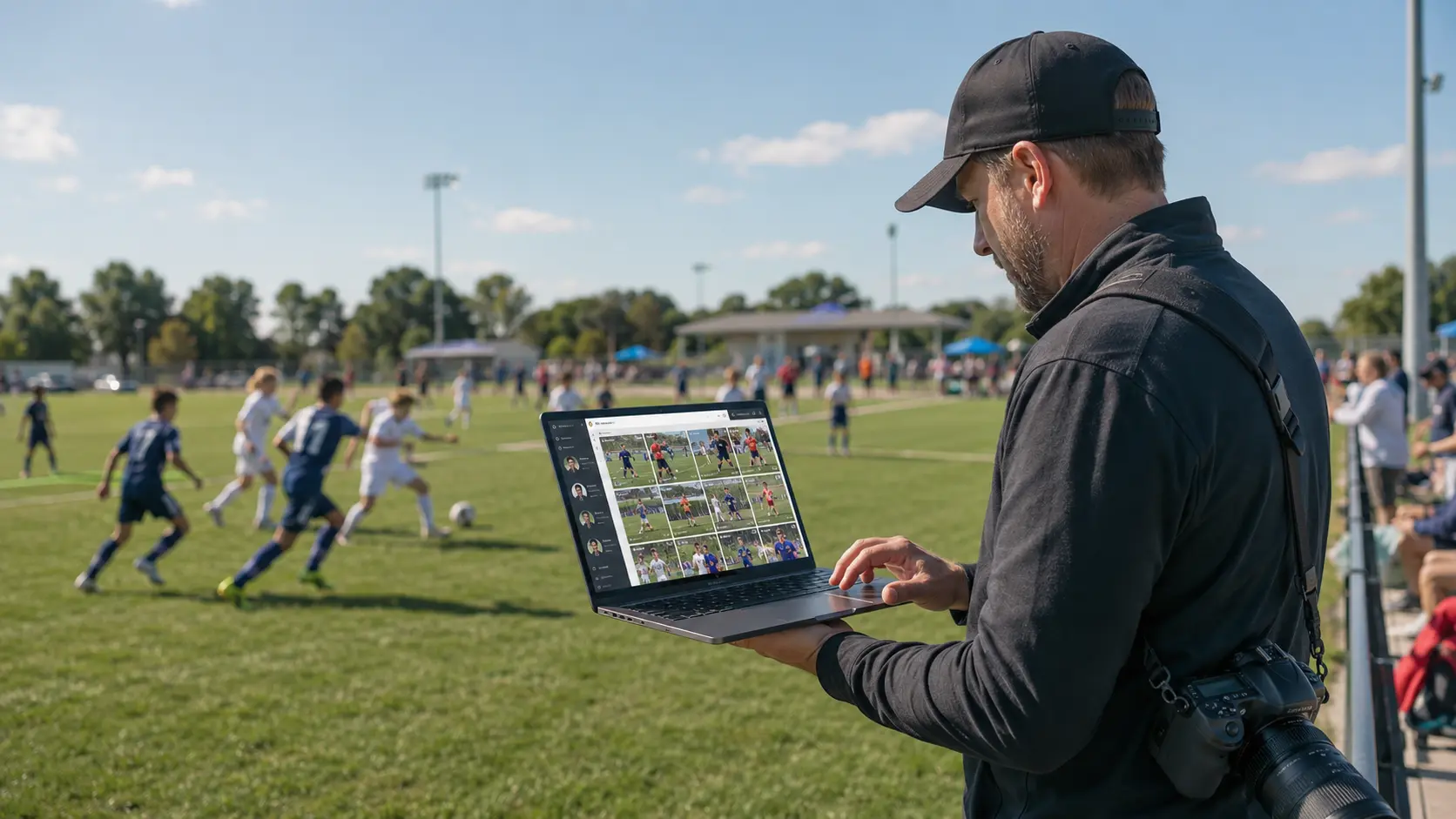
This is the part of the job where Lenzeit, a photo delivery platform, is useful. In Lenzeit you create a separate event for each area or group whose rules differ, because Lenzeit has no privacy levels or zones inside one event. A community that wants closed delivery gets a secure, invite-only event: members are registered beforehand, each receives an access code by email, and each sees only the photos they appear in. The open festival stage can run as a public event, where attendees browse the stage photos or use face search to find themselves.
For people who must not appear in anyone else's photos, FaceLock™ on the Pro and Premium plans locks their face, so photos containing it are never delivered to anyone else. It does not blur anyone: a group photo with that person in it is held back from everyone else. FaceLock can only lock a face it can see, so treat it as a safety net behind the lanyards, and still check photos from sensitive areas by hand.
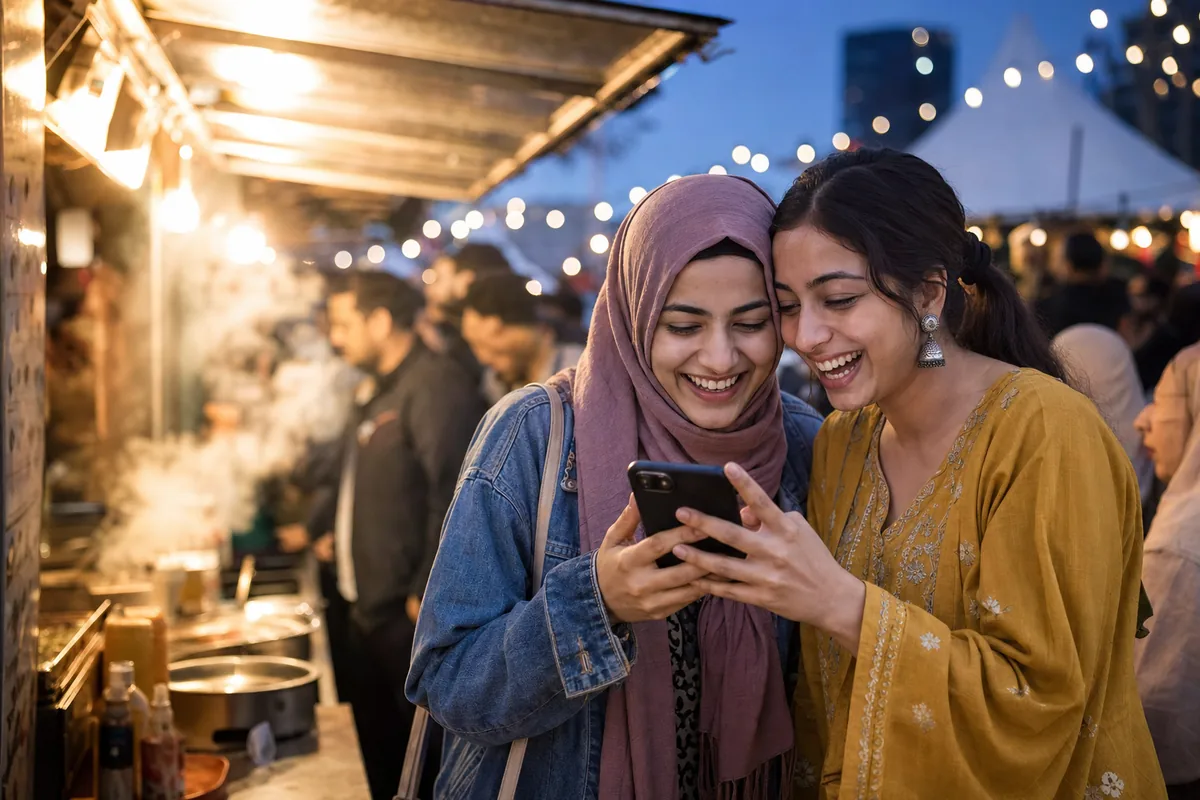
In the closed events, guests find their photos with a selfie or an access code, with no app and no account, as shown on how guests receive their photos. Nobody scrolls through strangers to find themselves.
If you did not collect email addresses at registration, here is how to deliver event photos with a code or QR link instead.
A short photo policy you can adapt
Keep the policy to one page and share it with every group, photographer and volunteer. A workable interfaith event photography policy covers six points:
- Where: a map of photo-free, ask-first and photo-allowed areas.
- When: the prayer and ritual times when cameras stop, including in shared spaces.
- Who: what each lanyard or wristband color means, and that it applies to every camera, including phones.
- How photographers behave: dress, head coverings, shoes, no flash in worship areas, and who to ask.
- Mistakes: frames taken in error are deleted or removed before delivery.
- Delivery: which galleries exist, who can open each one, and how people who opted out are kept out.
The best policy is one that every community helped write. Ask early, mark the spaces clearly, and deliver photos in a way that keeps each promise you made.