AI-Powered Operating System
for Event Photography
Capture More. Sort Less. Let AI Handle the Rest.
Flexible Delivery Modes
For Every Event
From Secure Weddings to Public MarathonsChoose the perfect workflow for your client's privacy needs.
Secure Events (Invite-Only)
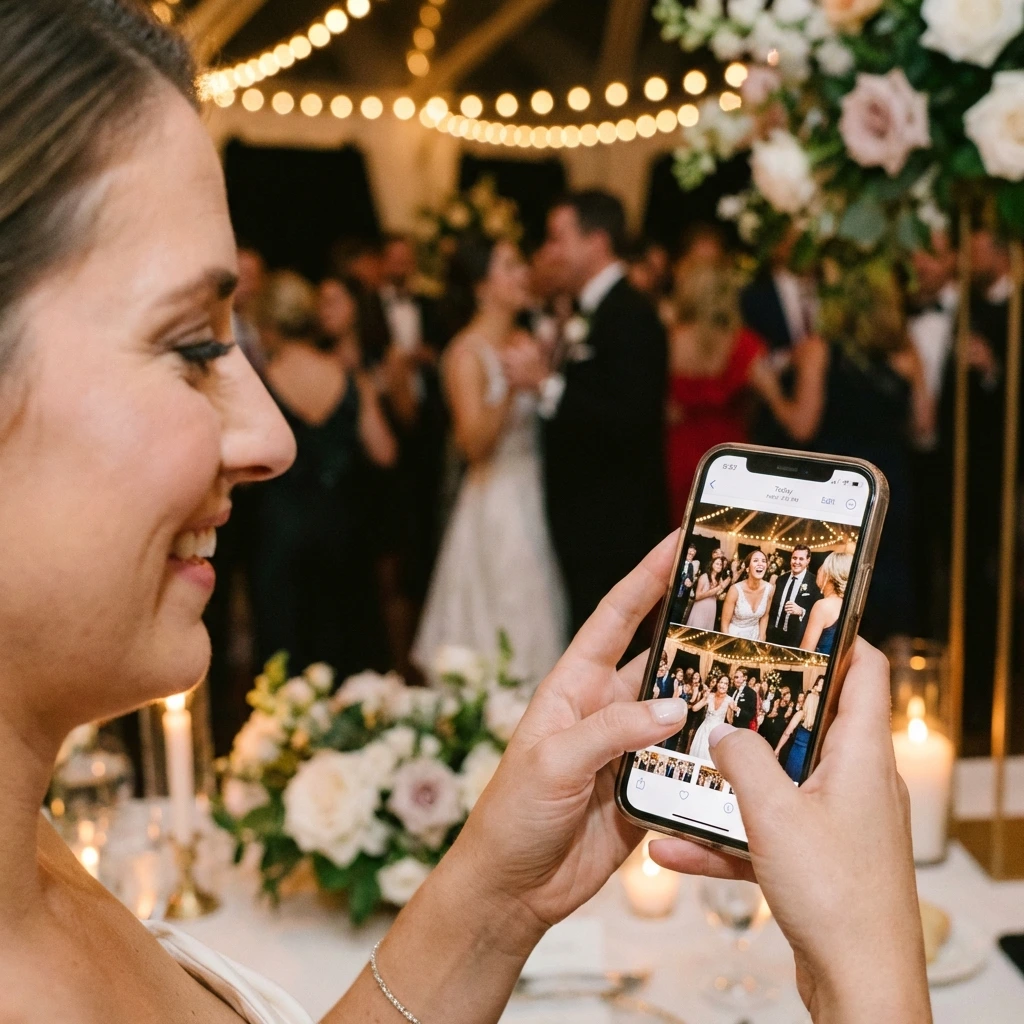
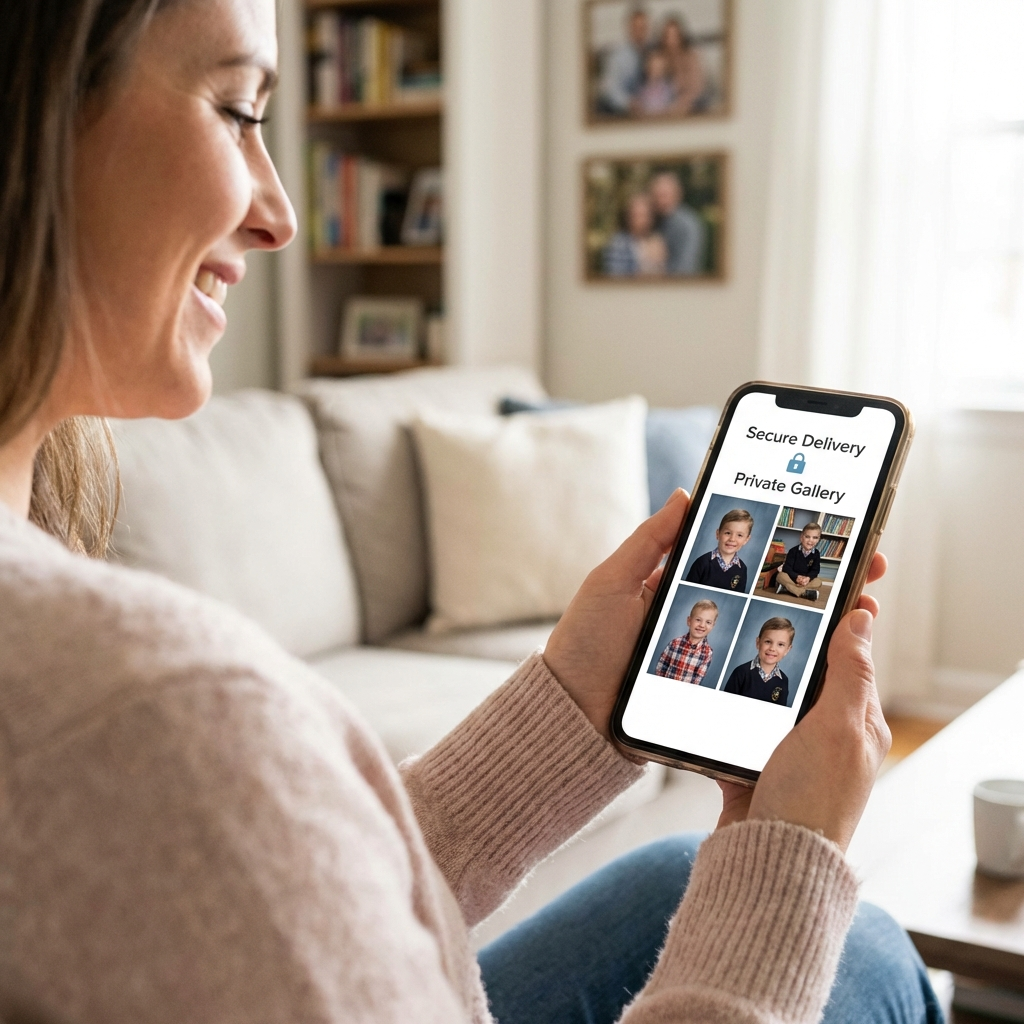
The ultimate privacy workflow. Register guests beforehand. System sends unique access codes via email. Guests see ONLY their own matched photos.
Private Access (Hybrid)
Flexible security. Set event to 'Live' and let users find their photos by entering an Event Code OR scanning their face to unlock their gallery.
Public & Sports Mode
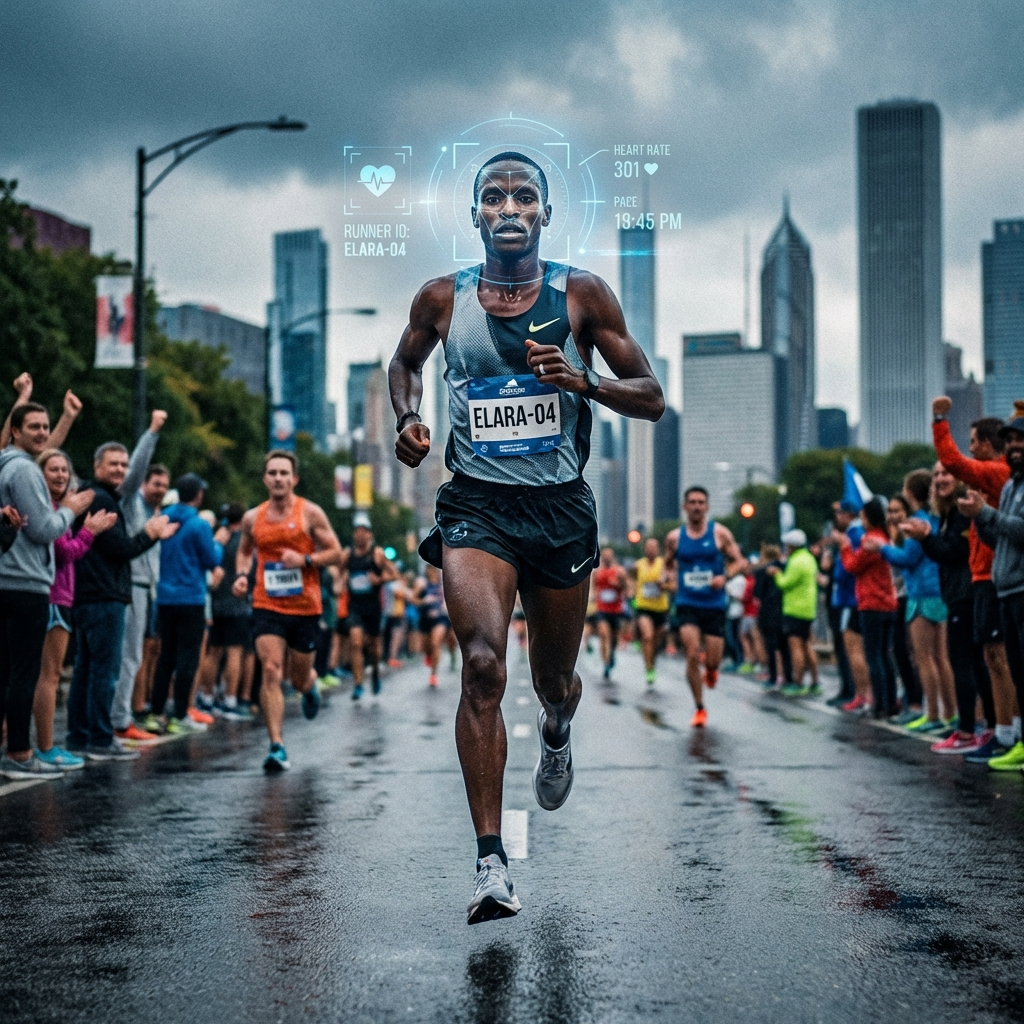
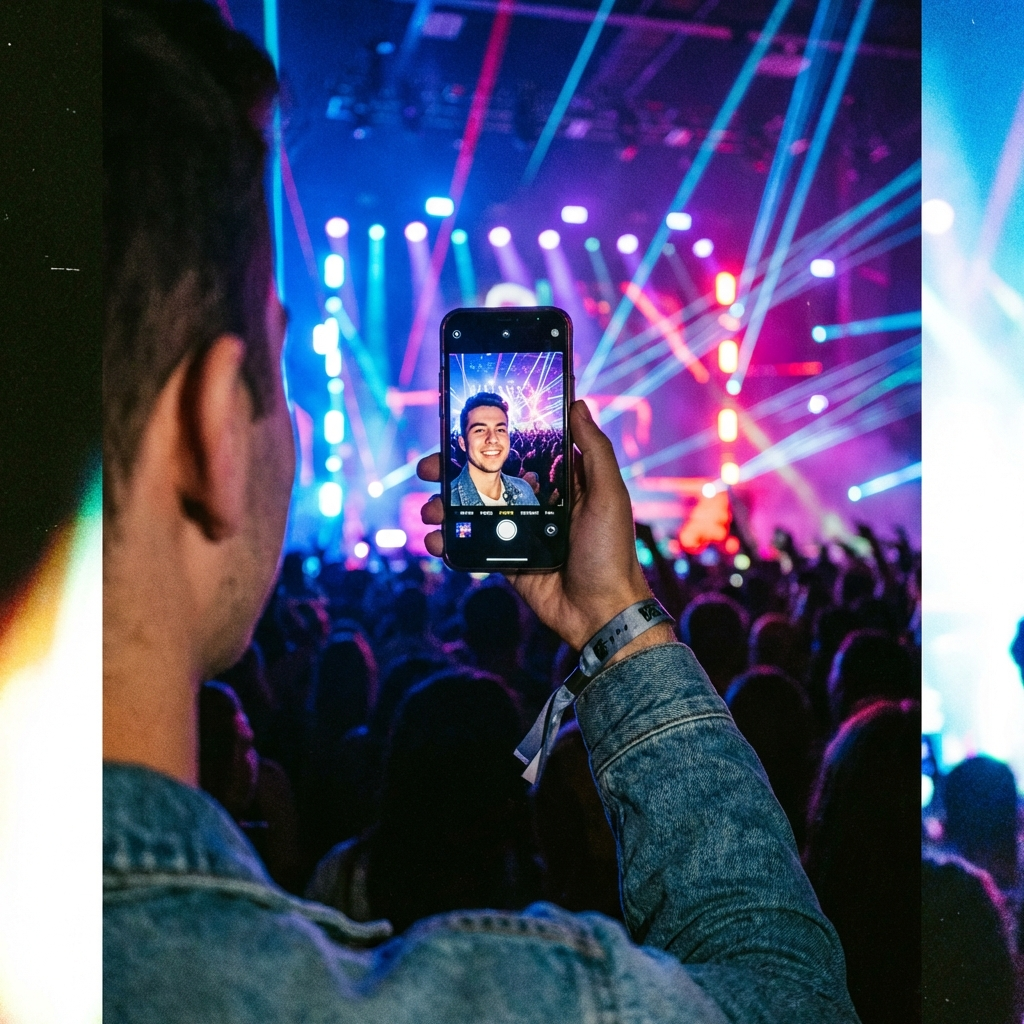
Open galleries for Marathons or Concerts. Attendees browse all photos or use Face Search to instantly filter their moments from the crowd.
MagicSort™ Engine
The AI core that powers every mode. It automatically sorts thousands of images by person in minutes to enable instant delivery.
FaceLock™ Privacy
Total control. Event owners can 'lock' specific faces so those images are never delivered to anyone else.
Real-Time 'Go Live'
Upload photos during the event and set to 'Live'. Attendees get notified instantly and can start downloading while the event is still happening.
From Chaos to
Clarity
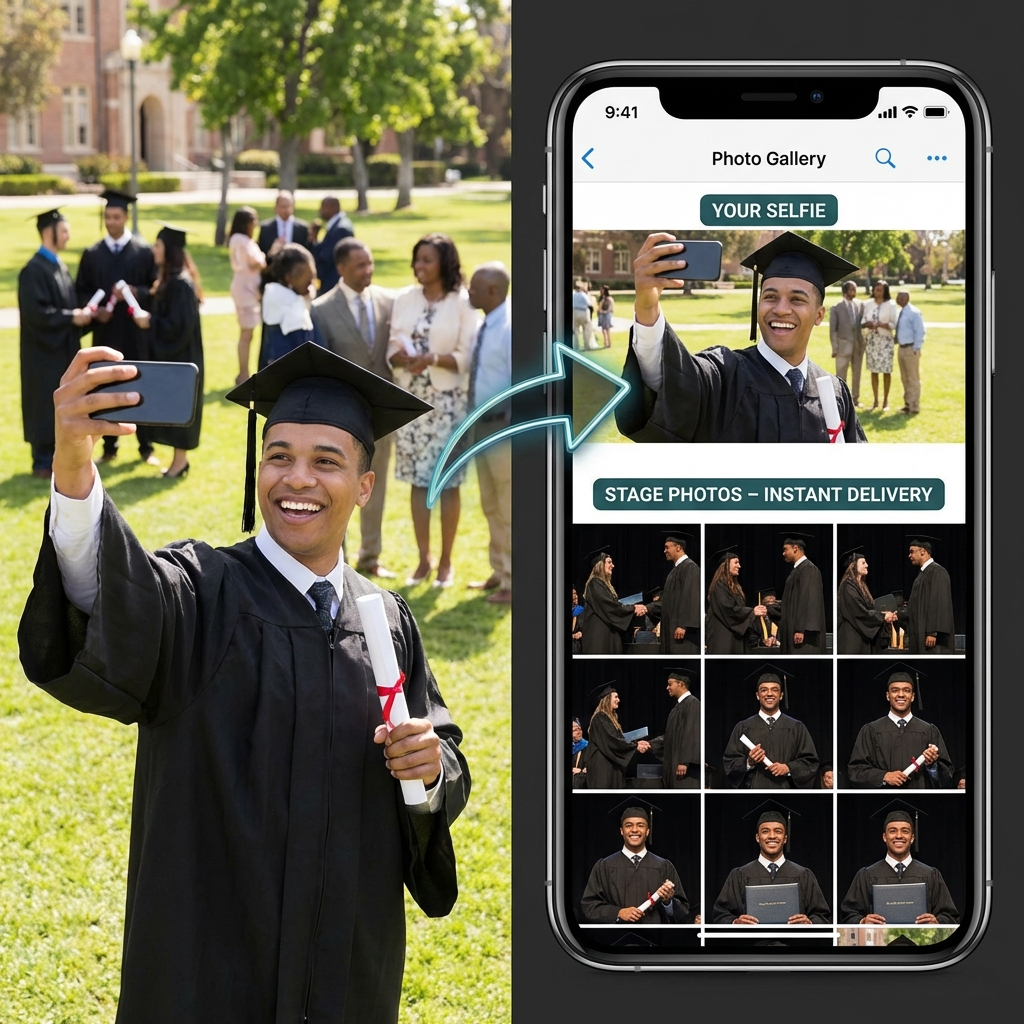
Don't make guests scroll. Lenzeit Instantly Filters Thousands of event photos to show only the ones that matter to them.









Upload Selfie
Select a reference
Manual Sorting vs.
AI Photo Sorting
Compare the old workflow with Lenzeit's Automated Sorting System
Traditional Method
❌
Manual Sorting takes 20+ hours per event
❌
USB drives get lost or corrupted
❌
Clients wait weeks for proofing galleries
❌
Privacy risks with public Google Drive links
❌
No analytics on who downloaded photos
Lenzeit AI Method
✔️
AI Sorts 5,000+ photos in Minutes
✔️
Instant Secure Cloud Delivery via QR/Link
✔️
Guests access private galleries immediately
✔️
FaceLock™ keeps every face private by default
✔️
Real-time analytics & download tracking
Hours Saved / Event
To Deliver, Not Days
Manual Sorting
Workflow Automation
in 6 Steps
Bulk Upload, Face Recognition, and Secure LinksTransform how you deliver event photography.
Bulk Upload Photos
Create an event and bulk upload thousands of high-res images. Our system prepares them for AI processing immediately.
AI Face Recognition
Lenzeit's advanced facial recognition engine scans every photo to identify guests, even in complex lighting or angles.
Auto-Sort to Galleries
Photos are automatically culled and sorted into personalized, private galleries for each individual guest.
Generate Secure Links
Guests receive a unique, encrypted link or passcode. They can only access the photos they appeared in.
Privacy Controls
Choose Secure, Private, or Public access per event, and decide exactly who can open which photos.
Instant Digital Delivery
Guests view and download their high-resolution photos instantly on any device. No more zip files or USBs.
Complete Event Photography Workflow
No manual sorting. No USB drives. Just instant, secure delivery.
Face Recognition for
Every Event Type
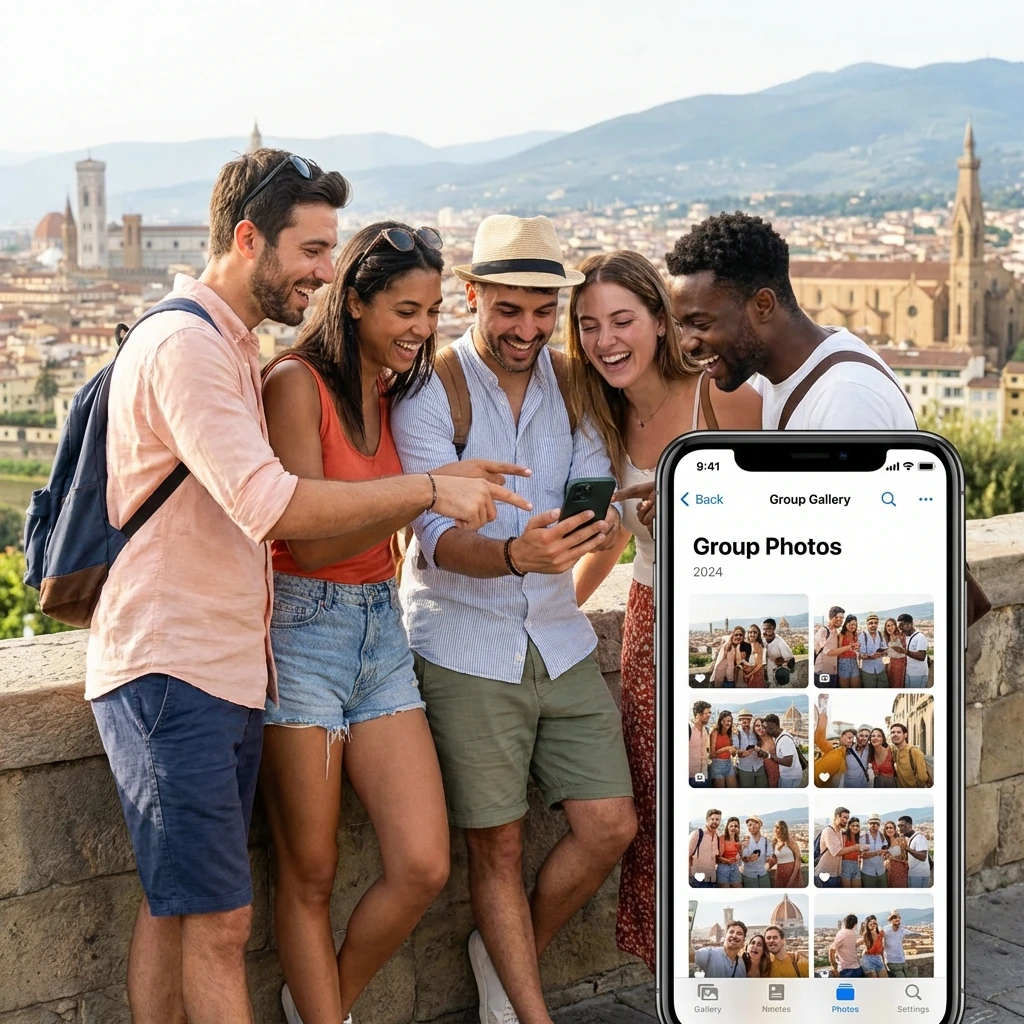
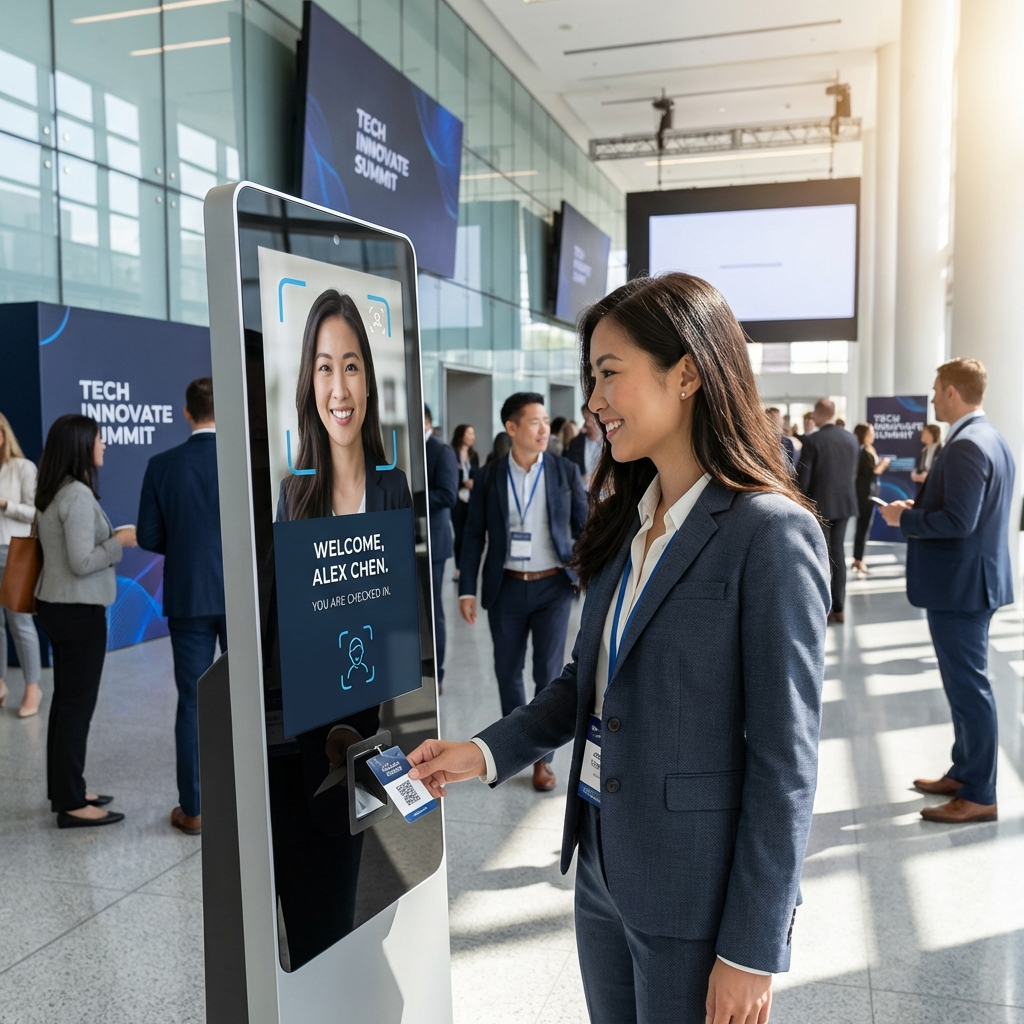
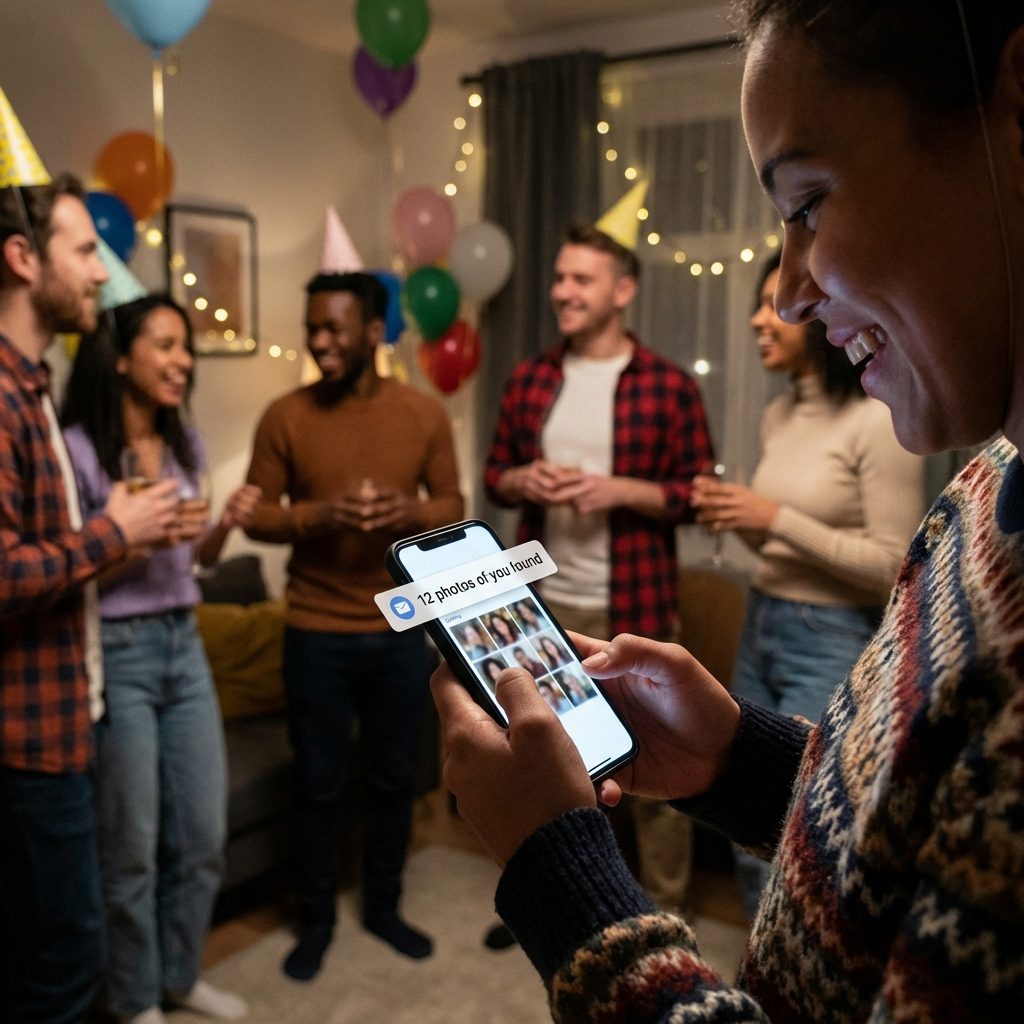
Lenzeit automatically identifies faces, Sorts Thousands Of Photos in seconds, and delivers Personalized Galleries to every attendee.
Try Lenzeit Free
Best Photo Sorting Software
Experience the power of AI-driven workflow automation with no commitment. Sign up now and get 100 free credits instantly.
Full AI-Powered Photo Sorting
Credits never expire — use anytime
No credit card required
Premium Privacy & Delivery Features
Login 7 days in a row → earn +10 bonus credits every week!
Free Credits
on account creation · no card needed
1 Credit = 1 AI-Processed Photo
No credit card required · Credits never expire · Cancel anytime
What Our Clients Say
Real photographers delivering real events with Lenzeit
"I used Lenzeit for a private corporate children's activity event in Islamabad for a dental care program, with hundreds of photos. I registered every guest and ran it as a private event, and 100% of the clients received their own photos securely. The face-based sorting made delivery effortless."
Talha Abbasi
Event Photographer · Islamabad
Frequently Asked
Questions
Find answers to common questions about Lenzeit
How do clients access their photos?
Clients can access photos using a unique access code sent to their emails.
Do clients need to create an account?
No, clients do not need an account. They only need the access code to view and download their photos.
What happens if I lose my access code?
User can request a new access code for their relative event by entering their email.
Can I delete an event after uploading?
Yes, photographers have full control and can delete or manage events along with images anytime from their dashboard.
How secure is my data with Lenzeit?
All data is stored securely, and deleted after the event expires. Only photographers and clients with access codes can view images.
Is there a limit to how many events photographers can create?
No, you can create unlimited events under any active subscription.
How does credit pricing work?
1 credit = 1 photo. Every photo you upload and process costs exactly one credit, so your balance is simply the number of photos you can still deliver. Credits never expire, and your plan sets the price you pay per credit.
Ready to Transform Your Event Photography?
Join the event professionals who trust Lenzeit to capture and share their most important moments.
Stay Updated with Our Newsletter
Get the latest updates, tips, and special offers delivered directly to your inbox.