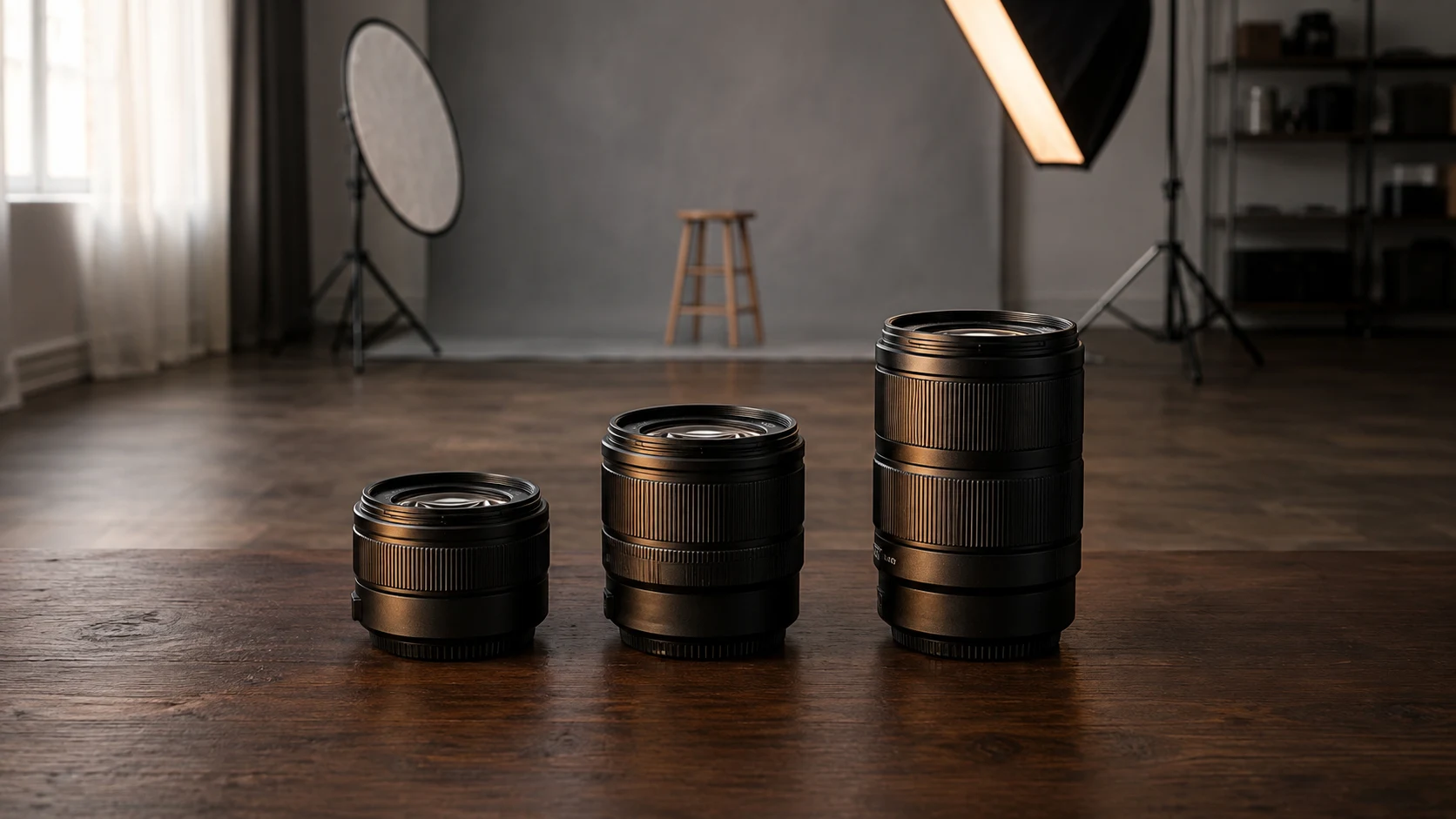
For most portrait work an 85mm gives the most flattering faces, a 50mm is the most useful single lens to own, and a 35mm is the right pick when the place matters as much as the person. The best lens for portrait photography is really the one that lets you stand at the right distance inside the room you actually shoot in.
That last part surprises people. These three lenses do not change a face by themselves. They change how far back you have to stand to fill the frame, and it is the distance that changes how the face looks. This guide covers what each one sees, how much floor space each one needs, what happens on a crop sensor camera, and which to buy if you can only buy one.
What changes when you switch from 35mm to 85mm?
Focal length is the number printed on the lens in millimetres. It tells you how much of the scene the lens takes in. A smaller number takes in more of the room. A bigger number takes in less, and makes what is left look larger in the frame. All three lenses here are prime lenses, which means the number is fixed and there is no zoom. You change the framing by moving your feet.
Camera makers publish the exact angle. Nikon's Z 85mm f/1.8 S specification sheet lists a maximum angle of view of 28 degrees 30 minutes on a full frame body, the larger of the two common sensor sizes, against 47 degrees for its 50mm and 63 degrees for its 35mm. Measured corner to corner, that is what each lens sees:
- 35mm covers about 63 degrees. You get the person and a useful amount of the room behind them.
- 50mm covers about 47 degrees. Close to the way we take in a scene without turning our head, so the picture looks normal.
- 85mm covers about 28.5 degrees. A narrow slice. The person fills the frame and very little else fits.
That single measurement drives everything else. The flattery, the background blur and the trouble in small rooms all follow from how wide a slice each lens takes, and from how far back you have to stand to use it.
On a crop sensor camera every lens gets tighter
A crop sensor, often called APS-C, is smaller than a full frame sensor, so it records a smaller part of what the lens projects. Nikon lists that same 35mm lens at 44 degrees on its DX bodies, which is close to the 47 degrees a 50mm gives on full frame. In practice a 35mm on a crop body frames like a 50mm, and a 50mm frames like an 85mm.
Why does a longer lens make faces look better?
Because of where you have to stand, not because of the glass. To fill the frame with a face using a 35mm you have to move in close. From close range the parts of the face nearest the camera, usually the nose, are much nearer than the ears, so they come out bigger in the photo. Step back and use a longer lens for the same crop and the gap between those distances shrinks, so the face looks even.
Researchers have measured what this does to the person looking at the photo. In a 2012 study in PLOS ONE, Ronnie Bryan, Pietro Perona and Ralph Adolphs photographed the same faces from about 45 cm and again from about 135 cm, then asked people to rate them. The faces shot from the closer distance drew lower ratings for trustworthiness, competence and attractiveness, and the raters never noticed why (Bryan, Perona and Adolphs, PLOS ONE, 21 September 2012).
A second PLOS ONE study changed the lens instead and kept the head the same size in the frame. Photographs taken at 50mm were rated significantly less attractive, less dominant and less feminine or masculine than the same faces taken at 85mm and 105mm (Třebický, Fialová, Kleisner and Havlíček, PLOS ONE, 19 February 2016).
So the old advice about longer lenses being kinder to faces has real support behind it. Knowing the reason is more useful than knowing the rule, because the same effect turns against you the moment you step in close with any lens on the camera.
How much room does each lens need?
This is the question that decides most sessions. For the same framing, the distance you need grows in step with the focal length. Double the number on the lens and you double the distance to your subject.
Working from the framing maths on a full frame camera held vertically, here is roughly where you end up standing:
- Head and shoulders: about 0.8 m on a 35mm, 1.2 m on a 50mm, 2.0 m on an 85mm.
- Waist up: about 1.2 m, 1.7 m and 2.8 m.
- Full body: about 1.9 m, 2.8 m and 4.7 m.
Add roughly half a metre behind you so you can stand and move. These figures come from the geometry of framing rather than from a lens test, so use them to plan a room, not to set a tripod mark. On a crop sensor body you can stand a little closer for the same crop, because the smaller sensor is already doing part of the work.
Measure the room before you promise the shot
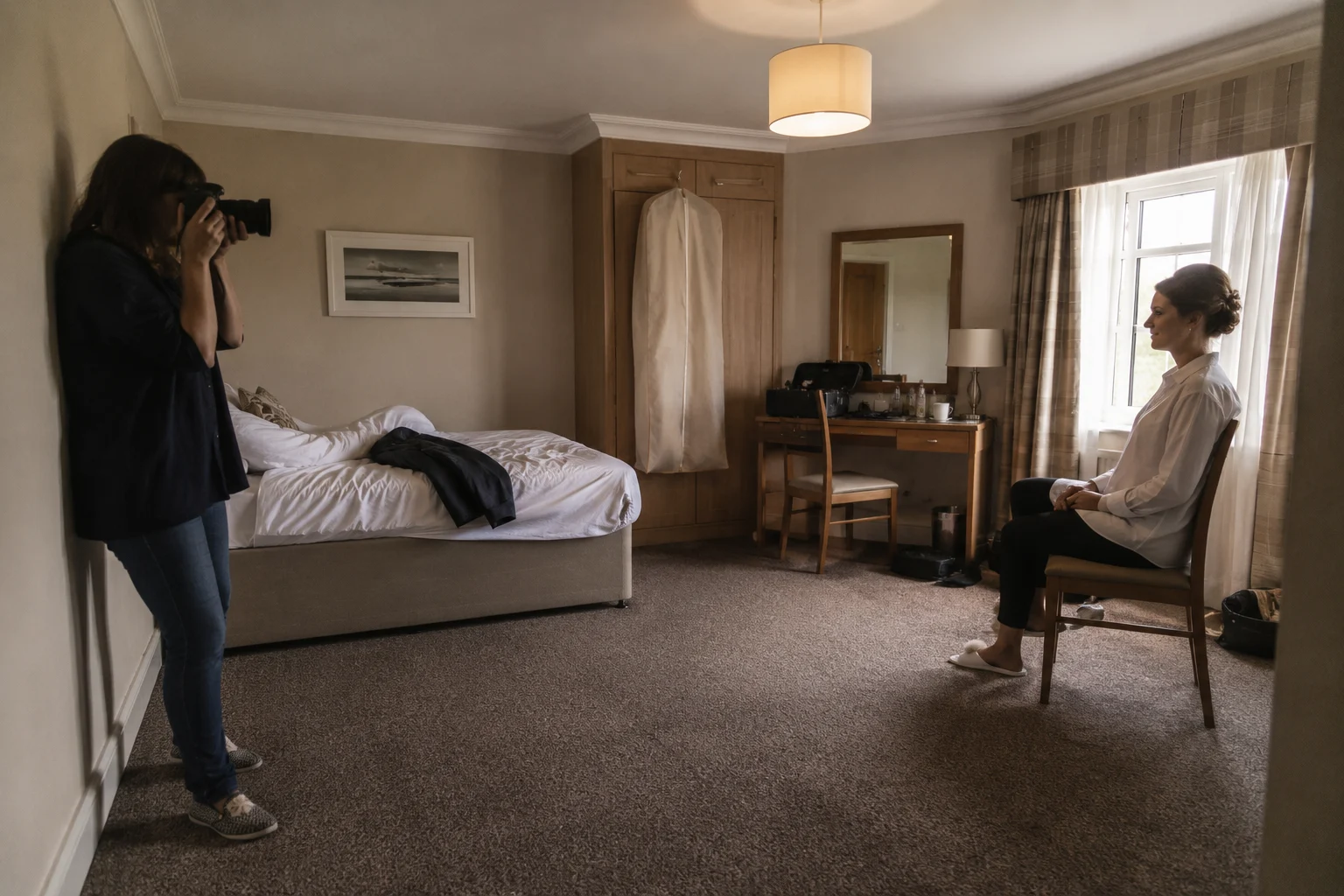
A full body portrait on an 85mm needs close to five metres of clear floor, plus room for you. Plenty of hotel suites, offices, homes and getting-ready rooms do not have it. This is the most common reason an 85mm stays in the bag at an indoor event.
How does each focal length behave in a real portrait session?
35mm: for portraits that need the place in them
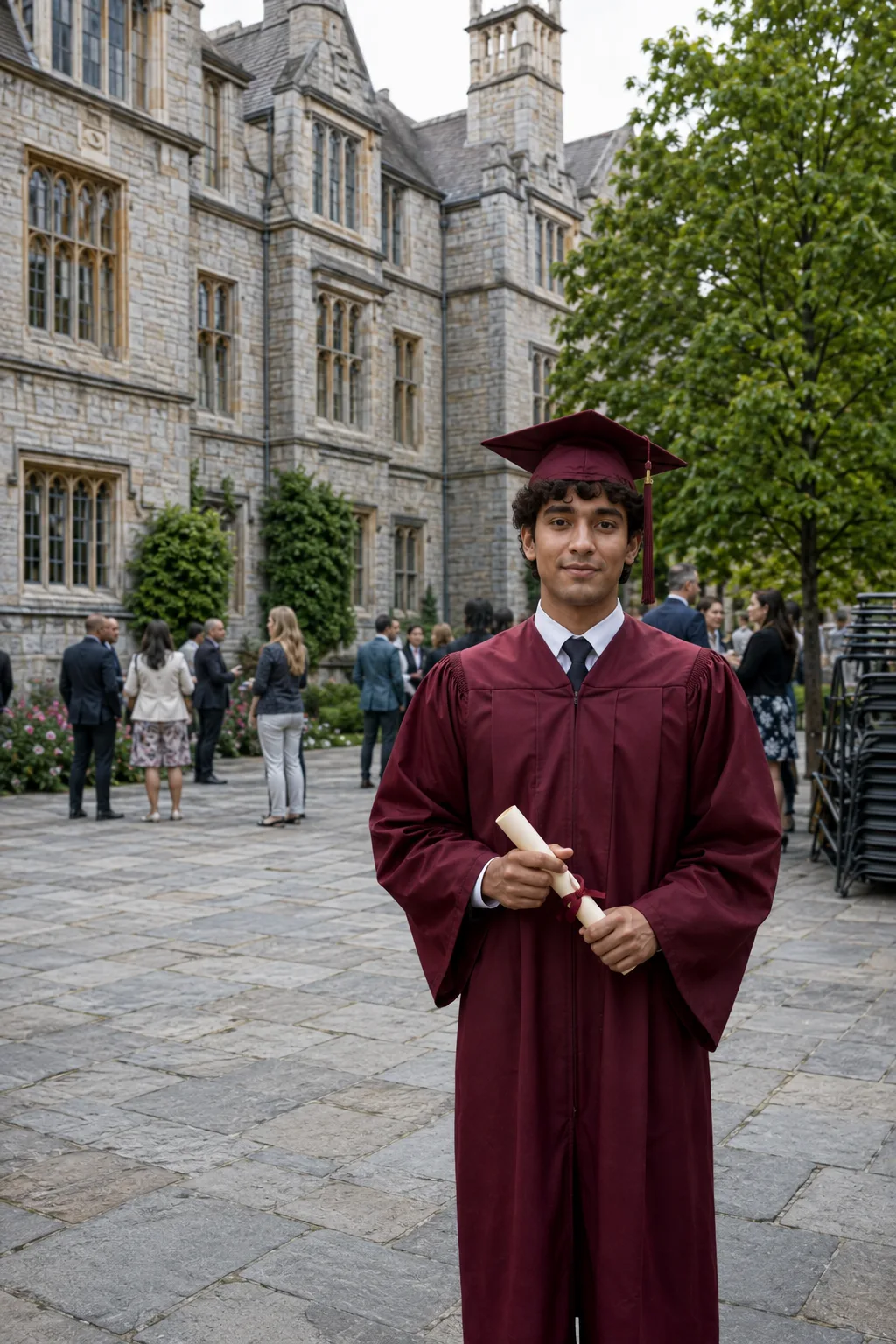
The 35mm keeps the setting. A chef in their kitchen, a bride in a room full of family, a runner at the start line with the crowd behind them. You see who the person is and where they are in one frame, which is why photojournalists and documentary wedding photographers carry one.
It is also the lens that works when there is nowhere to stand. In a packed getting-ready room or a narrow shop, a 35mm is often the only prime that can frame a whole person at all. The trade is that you have to be close, so hold back from tight head shots with it. Use it at waist up or wider, keep the person away from the edges of the frame where features stretch most, and let the background do some of the work.
50mm: the one lens that covers the most ground
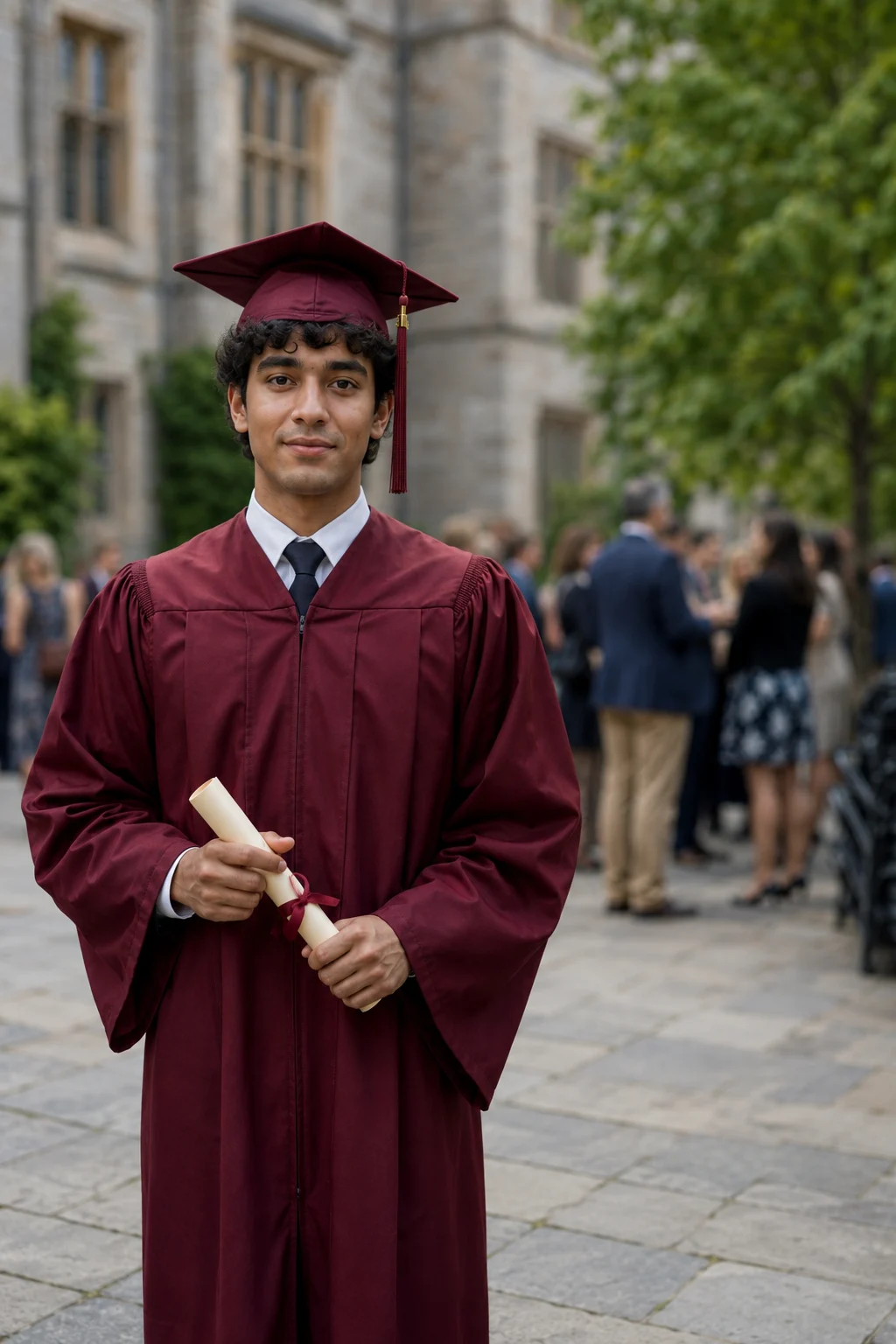
The 50mm sits between the other two and takes work from both. It is close enough to normal that pictures rarely look odd, and long enough that a waist-up portrait at a comfortable 1.7 m looks clean. In a typical room you can shoot a full body frame, take two steps in for a half length, and only run out of options at a tight head shot.
This is the reason it is the standard first prime. It teaches you distance faster than a zoom does, because the only way to change the crop is to move your feet. If you photograph mixed events where you get one lens on the body and no time to change it, a 50mm is the safest thing to have on there.
85mm: for the face and nothing else
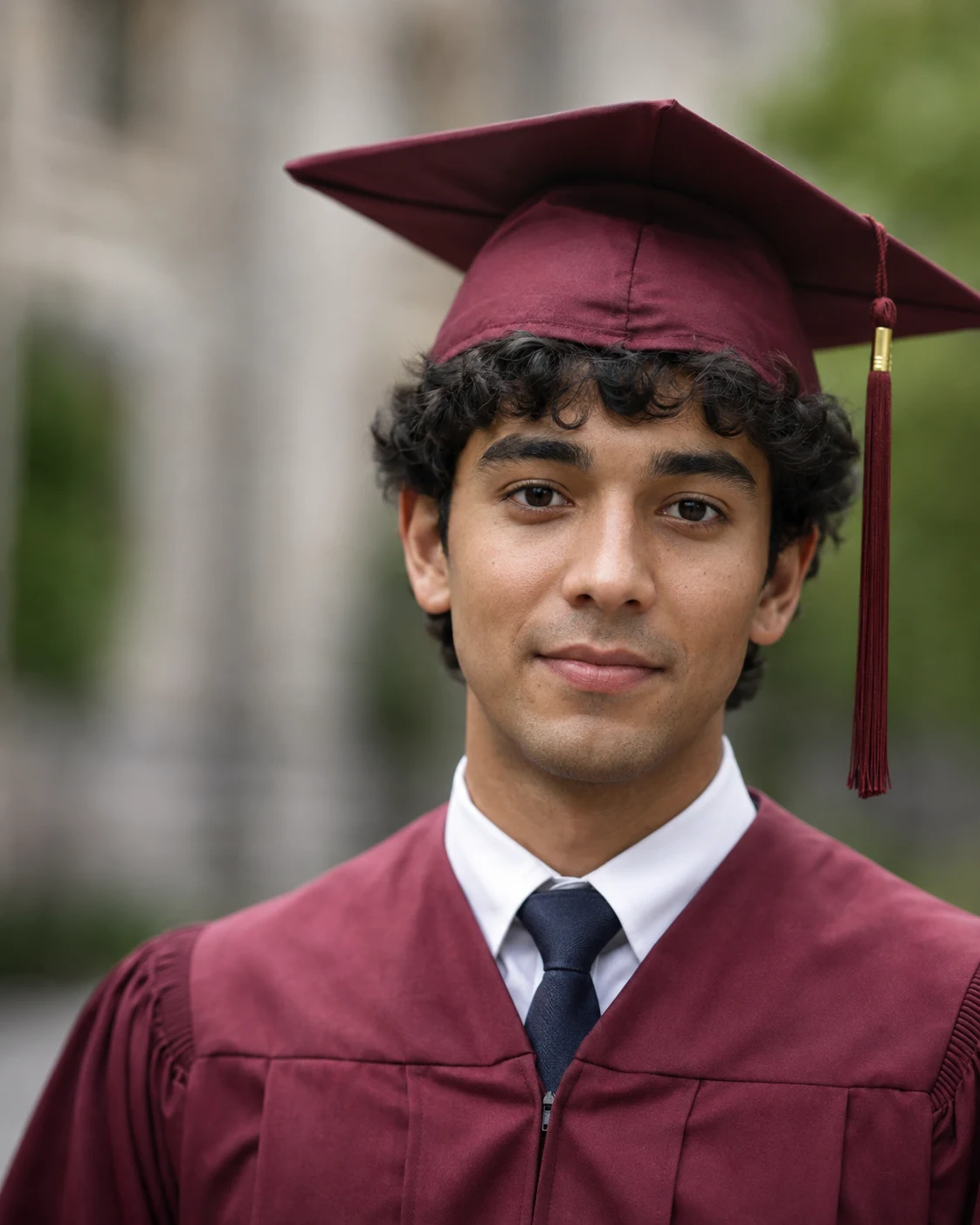
The 85mm is the specialist. Head and shoulders at two metres, the background reduced to a smooth wash of colour, and features that look even because you are standing well back. For headshots, formal portraits, couple portraits and any picture where the face is the subject, this is the one that needs the least work afterwards.
It asks for space and it asks for planning. Outdoors and in large halls it is a pleasure. In a small room it will only give you head and shoulders, and you will find yourself pressed against a wall to get that. Many photographers carry it as the second body at weddings and corporate shoots for exactly this reason: it is not the lens you cover an event with, it is the lens you make the portraits with.
Does a longer lens really blur the background more?
Yes in the picture, but not for the reason most people give. Aperture is the f-number on the lens, like f/1.8 or f/2.8, and it sets how much light comes in and how deep the sharp zone is. At the same aperture and the same framing, that sharp zone, which photographers call depth of field, is close to the same on all three lenses. The photography reference site Cambridge in Colour states it directly: if the subject occupies the same fraction of the image, the total depth of field is virtually constant with focal length.
What changes is the background. The 85mm sees a narrow slice of the room and enlarges it, so whatever sits behind your subject is magnified along with the blur already on it. Less clutter fits in the frame, and what does fit is softer and bigger. The 35mm sees a wide slice at ordinary size, so the background stays recognisable even when it is out of focus.
- To make the background disappear, use the 85mm and put as much distance as you can between your subject and whatever is behind them.
- To make the background part of the story, use the 35mm and step in.
Which portrait lens should you buy first?
Buy the 50mm first, then add the 85mm, then the 35mm. That order gets you working the fastest and costs the least on the way.
- Start with a 50mm f/1.8. It is usually the least expensive prime a brand makes, it fits almost any room, and it will handle the majority of the portraits you are asked for while you learn where to stand.
- Add an 85mm f/1.8 once you are taking paid headshots, formal portraits or couple sessions, and you have somewhere with space to use it.
- Add a 35mm when you keep hitting rooms too small for the 50mm, or when you want the setting in the frame on purpose.
One caution on aperture. At portrait distance the sharp zone at f/1.4 is thin enough that a small focus error puts the near eye outside it, and most working portraits are shot between f/2 and f/2.8 anyway. The f/1.8 version is rarely the thing holding a portrait back. If you are weighing a lens against the rest of your kit budget, our guide on how to price event photography is a better place to start than a lens review.
What happens to the portraits after the session?
The lens decides how the portraits look. It does nothing about the other half of the job, which is picking the keepers out of everything you shot and getting each picture to the person in it. On a headshot morning for forty staff, or a wedding across five functions, that half takes longer than the shooting did.
Lenzeit is an AI SaaS application built for that half. You upload the shoot in one go and MagicSort™ groups every frame by the person in it, surfaces the sharpest shots and removes duplicates, so AI photo sorting replaces the folder-by-folder pass you would otherwise do by hand.
Each person then opens a private gallery holding only the photos they appear in. They get in with a selfie or an access code, with no app to install and no account to create, and FaceLock™ lets you lock a face out of delivery entirely when someone would rather not be shared. If you have only ever sent a folder link, how clients receive their photos shows what changes.
Pick the lens for the room and the distance rather than for the review. An 85mm gives the most flattering faces when you have the space, a 50mm handles the widest range of situations, and a 35mm is the one to reach for when the place belongs in the picture.